Source Resizable Sterling Silver Ring for Gifts, Decor, Collection
Compare 30 listings for the resizable sterling silver ring from verified factories. Buyers can evaluate customization options, plating details, and pricing to find suitable pieces for gifts, decoration, and collection purposes; compare the available evidence and request quotations based on your requirements.
Key considerations
Products List


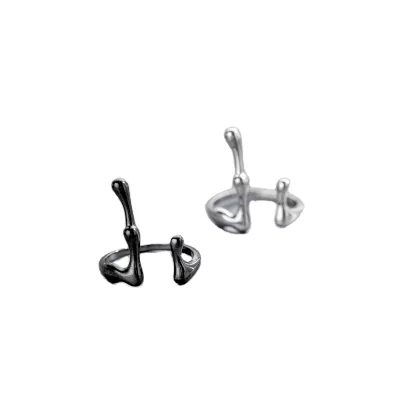


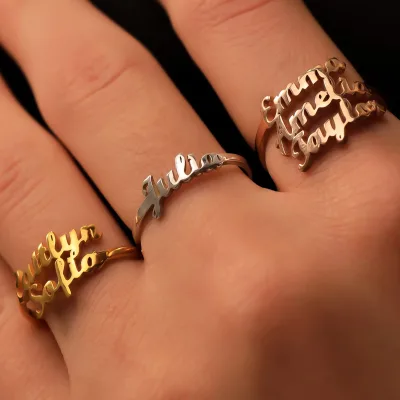


Comprehensive Sourcing Guide
Resizable Sterling Silver Ring Sourcing Guide
Sourcing resizable sterling silver rings requires a nuanced understanding of both material integrity and manufacturing precision. The core keyword highlights a specific intersection of precious metal standards and functional design, where the ring must maintain its structural integrity while allowing for size adjustments. Buyers must recognize that "sterling silver" implies a specific alloy composition, typically 92.5% silver and 7.5% other metals, which provides durability and resistance to tarnish compared to pure silver. This material choice is critical for jewelry that undergoes mechanical stress from resizing or daily wear.
The term "resizable" introduces a layer of complexity regarding the ring's construction. Not all sterling silver rings can be resized effectively without compromising their aesthetic or structural properties. Buyers need to evaluate whether the design allows for traditional resizing methods, such as cutting and soldering, or if it employs alternative mechanisms like adjustable bands or open shanks. Understanding these construction details is essential for ensuring that the final product meets the end-user's expectations for fit and longevity, preventing returns due to sizing issues or material failure.
Product Scope and Observed Listing Signals
The observed market signals indicate a diverse range of products categorized under this keyword, with prices ranging from $0.52 to $11.81 USD. This wide variance suggests a mix of mass-produced fashion jewelry and higher-quality artisanal pieces. The minimum order quantities (MOQ) observed range from 2 to 1000 units, reflecting the flexibility of suppliers to accommodate both small boutique orders and large wholesale distributions. Buyers should interpret these signals as indicators of market segmentation, where lower prices and higher MOQs typically correlate with standardized, machine-made items, while higher prices and lower MOQs may indicate hand-made or customized pieces.
Specific product attributes observed include a purity of 92.5%, confirming the use of genuine sterling silver in many listings. The style varies from simple to creative, with some items featuring rhodium plating to enhance durability and shine. The origin is predominantly China, with specific mentions of Guangzhou as a manufacturing hub. These factors suggest that buyers have access to a robust supply chain with experienced factories, many boasting over ten years of experience. However, the presence of both "hand-made" and "casting" processes indicates that buyers must carefully verify the manufacturing method to ensure it aligns with their quality expectations and brand positioning.
Technical Specifications to Verify
Verifying technical specifications is paramount when sourcing resizable sterling silver rings, particularly regarding the alloy composition and plating quality. Buyers must confirm that the "925" hallmark is accurately applied and that the silver content meets the 92.5% standard. Additionally, the presence of rhodium plating, as observed in some listings, should be verified for thickness and durability, as this coating protects the silver from tarnishing and wear. The size range, observed as #5 to #9 for certain models, indicates that standard sizing may not cover all customer needs, necessitating a discussion with suppliers about custom sizing capabilities.
The manufacturing process, whether hand-made or casting, significantly impacts the ring's finish and structural integrity. Buyers should request detailed information on the fabrication process, including electroplating techniques if applicable, to ensure consistent quality. The use of center stones, such as cubic zirconia (CZ), requires verification of stone setting security, especially in resizable designs where movement might loosen settings. Furthermore, the packaging details, ranging from individual OPP bags to carton packing, should be assessed to ensure that the rings arrive in pristine condition, minimizing damage during transit and enhancing the unboxing experience for end consumers.
Compliance and Safety Documentation
Compliance and safety documentation are critical for ensuring that the sourced rings meet international regulatory standards, particularly regarding nickel content and heavy metals. Sterling silver alloys must comply with regulations such as the EU Nickel Directive, which limits nickel release to prevent allergic reactions. Buyers should request certificates of compliance or test reports from accredited laboratories to verify that the rings are free from harmful substances. This is especially important for products intended for the European and North American markets, where strict consumer safety laws are enforced.
In addition to material safety, buyers must ensure that the suppliers adhere to ethical manufacturing practices. This includes verifying that the factories have proper labor standards and environmental compliance measures in place. Documentation such as social responsibility audits or environmental management certifications can provide assurance that the production process is sustainable and ethical. Buyers should also confirm that the suppliers have the necessary business licenses and export permits, ensuring a smooth and legal transaction process. Proper documentation not only mitigates legal risks but also enhances the brand's reputation for responsible sourcing.
Cost Drivers and Commercial Terms
Cost drivers for resizable sterling silver rings include the price of raw silver, manufacturing complexity, and plating requirements. The fluctuating price of silver directly impacts the base cost of the rings, so buyers should consider hedging strategies or fixed-price contracts to manage this volatility. Manufacturing complexity, such as hand-making versus casting, also affects labor costs, with hand-made items typically commanding a premium. Plating processes, like rhodium plating, add additional costs but enhance the product's value and durability, justifying the higher price point for certain market segments.
Commercial terms, including MOQs and payment terms, vary significantly among suppliers. Observed MOQs range from 2 to 1000 units, offering flexibility for different business models. Buyers should negotiate terms that align with their inventory management strategies, considering the trade-off between lower unit costs at higher volumes and the risk of excess inventory. Payment terms, such as deposits and balance payments upon shipment, should be clearly defined to protect both parties. Additionally, shipping methods, including UPS, DHL, and FedEx, should be evaluated for cost and speed, ensuring that the rings reach the market efficiently and cost-effectively.
Supplier Qualification and Quality Control
Supplier qualification is a critical step in ensuring the reliability and quality of the sourced rings. Buyers should conduct thorough due diligence on potential suppliers, verifying their business licenses, factory experience, and production capabilities. Suppliers with over ten years of experience, as observed in some listings, may offer greater stability and expertise. It is also important to assess their capacity for OEM and ODM services, as this indicates their ability to customize products according to specific brand requirements. Requesting samples and conducting factory audits can provide valuable insights into their operational standards and quality control processes.
Quality control measures should be clearly defined and enforced throughout the production process. Buyers should establish specific quality standards for materials, craftsmanship, and finishing, and require suppliers to adhere to these standards. Implementing pre-shipment inspections can help identify and rectify any defects before the goods are dispatched. Additionally, buyers should maintain open communication with suppliers to address any issues promptly and ensure continuous improvement. Building a strong relationship with qualified suppliers can lead to better pricing, priority production, and consistent quality, ultimately supporting the long-term success of the buyer's business.
Long-Term Procurement Checks
Long-term procurement checks involve continuous monitoring of supplier performance and market trends to ensure sustained success. Buyers should regularly review supplier metrics, such as on-time delivery rates, product quality consistency, and responsiveness to issues. Establishing key performance indicators (KPIs) can help quantify supplier performance and identify areas for improvement. Additionally, staying informed about market trends, such as changes in consumer preferences for ring styles or materials, allows buyers to adapt their sourcing strategies accordingly. This proactive approach ensures that the product offering remains relevant and competitive in the marketplace.
Furthermore, buyers should periodically reassess their supply chain risks and diversify their supplier base to mitigate potential disruptions. This includes evaluating alternative suppliers in different regions or with different capabilities to ensure resilience. Regularly updating compliance documentation and verifying that suppliers continue to meet regulatory standards is also essential for long-term risk management. By maintaining a disciplined and adaptive procurement strategy, buyers can build a robust supply chain that supports growth, minimizes risks, and delivers value to their customers over time.
FAQs
Can I customize the size of a resizable sterling silver ring?
Yes, customization is available for these rings. The product specifications indicate that sizes can be customized to fit specific requirements. This flexibility allows buyers to order rings that meet precise sizing needs, ensuring a proper fit for the intended wearer without compromising the structural integrity of the 925 sterling silver material.
What is the purity of the sterling silver used?
The purity is 92.5%, which is the standard for 925 sterling silver. This high-quality material ensures durability and a bright, attractive finish. The rings are often rhodium plated to enhance their shine and resistance to tarnishing, making them suitable for long-term wear as decorative jewelry or gifts.
How are these rings processed and manufactured?
The rings are primarily hand-made and crafted using casting processes. Some items may involve electroplating for finishing. With over ten years of factory experience, manufacturers offer both OEM and ODM services. This allows for unique designs, such as simple or creative styles, while maintaining high production standards for bulk orders.
What is the minimum order quantity for these rings?
The minimum order quantity ranges from 2 to 1000 pieces depending on the specific supplier and product model. Some listings specify an MOQ of 20 pieces. This flexibility supports both small-scale testing and larger wholesale purchases, accommodating various business needs for jewelry wholesalers and distributors.
What packaging options are provided for these rings?
Items are typically packed individually in OPP bags with bubble wrap for protection. They are then placed in cartons for shipping. This secure packaging ensures that the rings arrive in pristine condition, whether for direct sale, gifting, or collection purposes, protecting the delicate sterling silver finish during transit.
Which styles are available for these sterling silver rings?
Available styles include simple, creative, and attractive designs. Some rings feature center stones like CZ or are shaped round. These versatile styles cater to various uses, including weddings, anniversaries, and general decoration. The designs are suitable for females, males, and children, offering broad market appeal for different customer segments.